
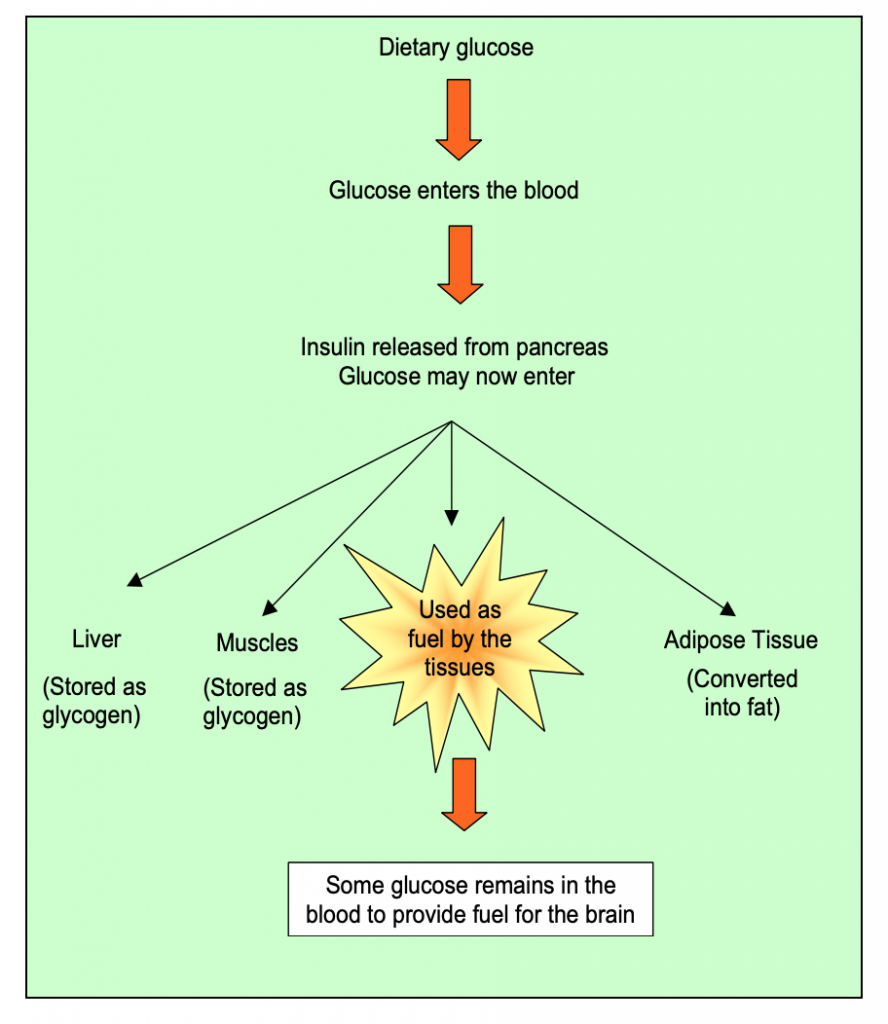
Dietary carbohydrate (CHO) is digested and utilised in the body in a variety of ways. It is ultimately sent to the liver, muscles, or used immediately as a fuel. Some glucose may enter the adipose tissue, where it is converted into fat, a process which appears to occur at different rates in different people (McDevitt, 2001).
Structure of Carbohydrates
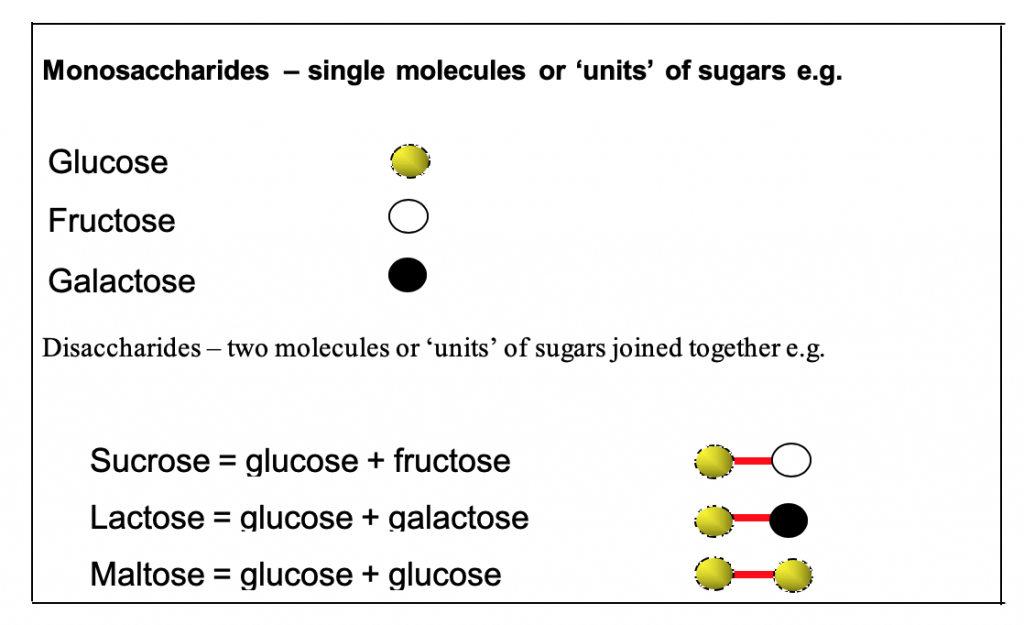
All carbohydrates are made up of molecules or units called saccharides. There are three basic categories:
- simple carbohydrates also referred to as ‘sugar’
- complex carbohydrates also referred to as ‘starches’
- non starch polysaccharides (NSP) referred to as ‘fibre’
Simple Carbohydrate
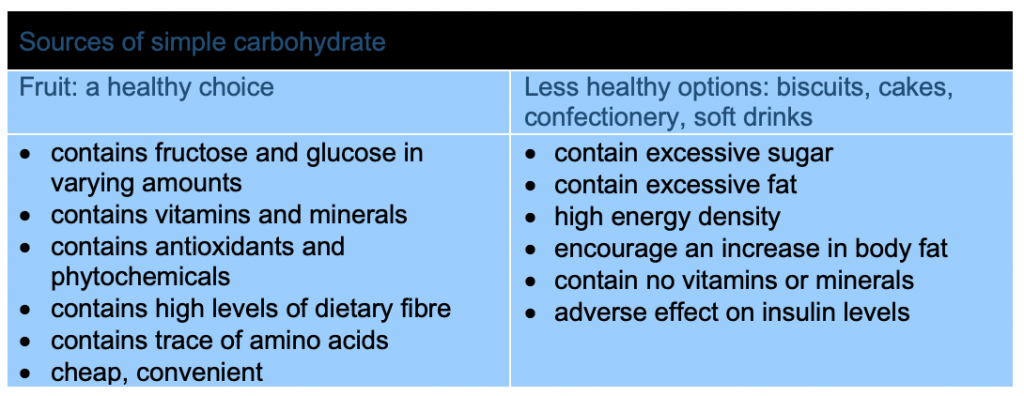
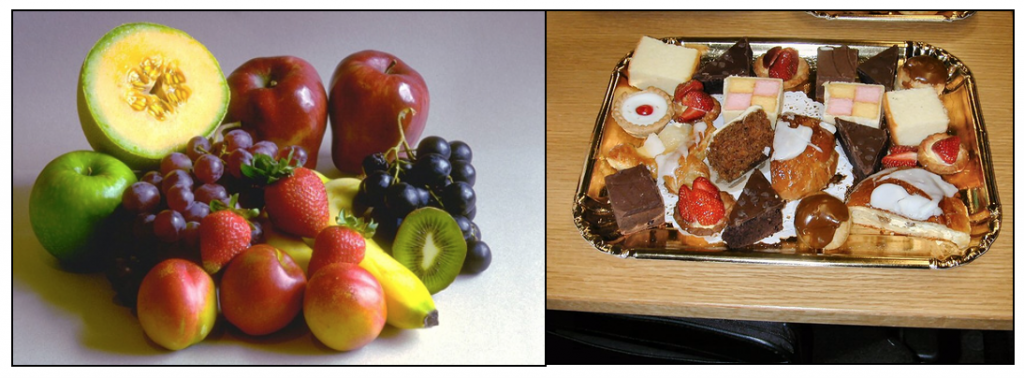
The energy contained in these foods cannot be released without specific vitamins and minerals. The B vitamins are particularly important, since we cannot utilise any carbohydrate without them. Fresh fruit provides its own vitamin and mineral requirements for the body. Heavily refined and processed foods still provide us with energy but without needed vitamins. Prolonged use of refined carbohydrates can lead to a progressive depletion of certain nutrients. This type of food is often referred to as an ‘anti-nutrient’.
Complex Carbohydrate
These foods are often described as starch and consist of many molecules or ‘units’ of glucose all joined together in long complicated branched chains. These multiple molecules of glucose are called polysaccharides.
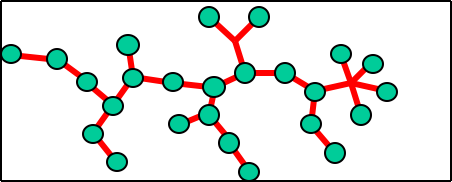
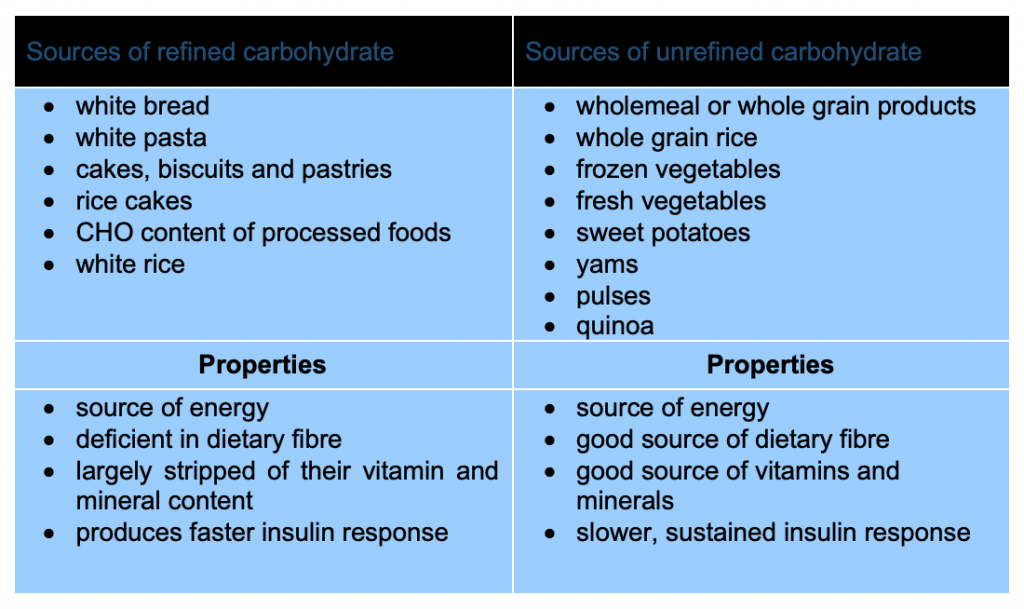
Once eaten, these polysaccharides are broken down into glucose, absorbed into the bloodstream and either stored or metabolised accordingly. All such carbohydrates will provide energy. However, their real dietary value centres on whether they are refined or unrefined.
Fiber
What is Fibre?
Fibre consists of non-starch polysaccharide (NSP), indigestible plant material such as cellulose, hemicellulose, lignin, pectin, gums and mucilages. These are found in fruits, vegetables, grains and beans. Fibre doesn’t provide any energy, yet is vital for a healthy body. There are two kinds:
Insoluble:
It is normally the outer protective layer of plants. Unrefined wheat, rye, rice and most other grains are primarily composed of insoluble fibre along with fruit and vegetable skins (Englyst, 1982).
Soluble:
It is normally found on the inner part of plants. Found in beans, barley, broccoli, prunes, apples, citrus fruits and oats.
What are the benefits of a high fibre diet?
Reduced damage to the colon:
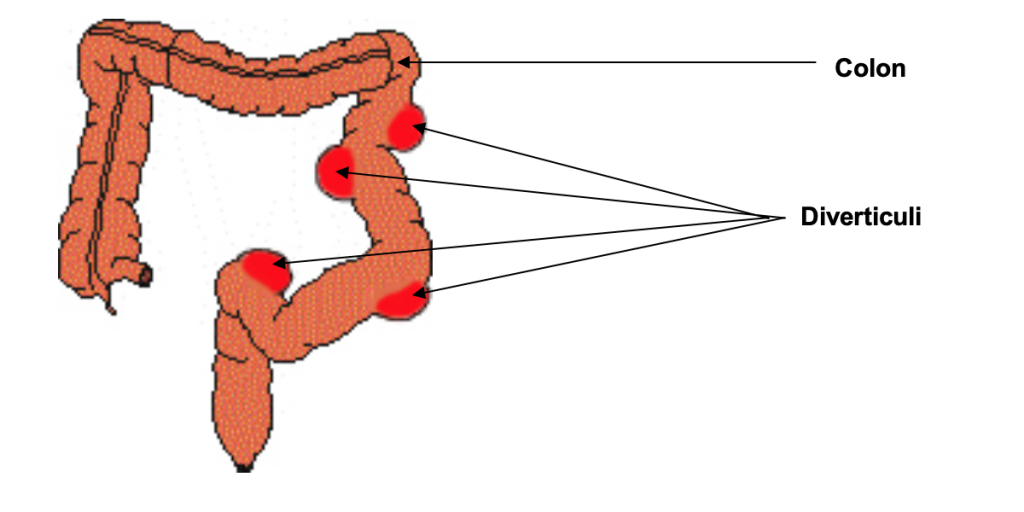
Low stool weight, dehydration and lack of exercise all contribute towards constipation. The long term effects of constipation can give rise to diverticular disease:
- increased pressure against the colon wall causes weakness and damage
- results in the accumulation of bulges called diverticuli in the walls of the colon
- if they become blocked by faecal material, they can inflame into a condition known as diverticulitis which may require surgery
High fibre diets, along with drinking plenty of water:
- help to provide greater bulk to the stools and aid peristalsis
- reduces both the pressure and the resultant damage to the colon
Reduces risk of CHD:
Foods rich in soluble fibre such as, oat bran, barley and pulses, taken alongside insoluble fibre, are reported to lower blood cholesterol, and reduce the risk of CHD (Kromhout et al, 1982).
The following effects have been reported (Marlett et al, 1994):
- soluble fibre binds to bile
- bile is necessary for the effective absorption of dietary fat and cholesterol
- less bile is available
- less cholesterol and fat are absorbed
- lower blood cholesterol levels are associated with a reduced risk of CHD
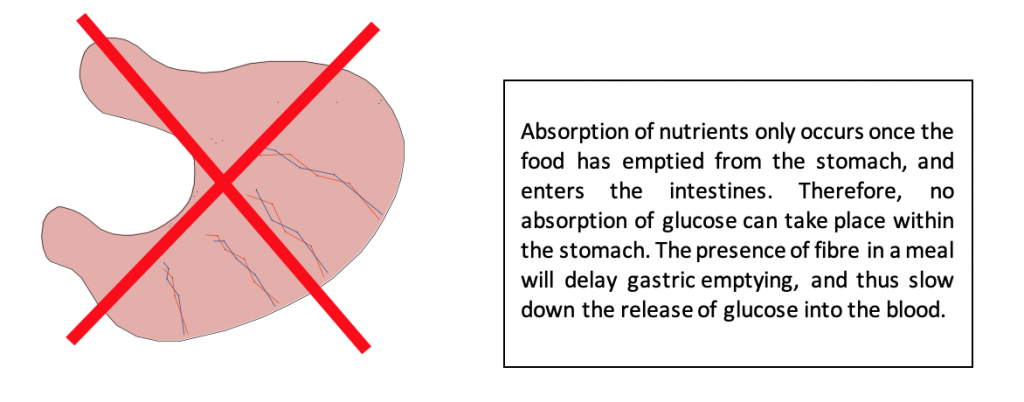
Regulates blood glucose levels:Fibre delays gastric emptying, and also collects within the small intestines, both of which delay the absorption of blood glucose.
Weight management:
High fibre diets can help with weight management and fat loss in the following ways:
- it takes longer to eat. The hypothalamus in the brain receives various signals from within the body, which eventually signal satiety (the point of being full or sustained)
- the completion of these signals takes around 20 minutes; therefore, taking longer to eat meals can help to prevent over eating, and assist with weight management (Ludwig, 2000)
- soluble and insoluble fibre delays the release of glucose into the blood, resulting in lower levels of insulin. One of insulin’s actions is to turn excess CHO into fat
- high fibre foods tend to be less processed and contain less fat.
The Glycaemic Index
The glycaemic index (GI) was devised as a ranking system to show how quickly a given carbohydrate can feed glucose into the blood. It was originally devised to help diabetics to manage their blood glucose levels (Jenkins et al, 1981), but has since become of increasing value to people engaged in weight management and regular training. Foods are compared to the rate at which the standard food (pure glucose) is delivered into the blood and then given a relative rating. The indices were categorised as follows:
| Glycaemic index range | |
| High | Above 85 |
| Moderate | 60 – 85 |
| Low | Below 60 |
Glycaemic index and research:
- long term consumption of a diet with a high glycaemic load, has been shown to be a significant independent predictor of the risk of developing Type II diabetes (Salmeron et al, 1997), and cardiovascular disease (Liu et al, 2000)
- recent studies have shown that diets with a low glycaemic index may help protect against the development of obesity (Ludwig 2000) and colorectal cancer (Franceschi 2001)
- diets with a predominance of low glycaemic foods have been shown to be more satiating than high glycaemic diets, and can help in the treatment of obesity (Ludwig 2000)
Main factors influencing the speed of entry of CHO into the blood:
- amount of CHO eaten
- the presence of fat in the meal. Fat is the strongest inhibitor of gastric emptying
- the presence of protein in the meal. Protein is also a gastric inhibitor
- the presence of fibre in the meal delays gastric emptying
- the presence of soluble fibre slows the absorption of glucose into the blood
- cooking methods. The longer the time of cooking, the more saccharides are broken down and thus the faster they are absorbed
- the ripeness of fruit. As a banana ripens, enzymes become active and begin to break down the polysaccharides into smaller saccharide units
- food preparation bread has a higher GI than pasta, even though they are both derived from wheat.
| FOOD | SCORE | FOOD | SCORE |
| Sugars | Grains & Grain Products | ||
| Glucose | 100 | French Baguette | 95 |
| Maltose | 100 | White Rice | 72 |
| Honey | 87 | Bagel | 72 |
| Sucrose (sugar) | 59 | White Bread | 70 |
| Fructose | 20 | Wholemeal Bread | 69 |
| Ryvita | 69 | ||
| Fruit | Crumpet | 69 | |
| Watermelon | 72 | Brown Rice | 66 |
| Pineapple | 66 | Pastry | 59 |
| Melon | 65 | Basmati Rice | 58 |
| Raisins | 64 | White Spaghetti | 50 |
| Banana | 62 | Instant Noodles | 46 |
| Kiwi Fruit | 52 | Wholegrain Wheat Bread | 46 |
| Grapes | 46 | Wholemeal Spaghetti | 42 |
| Orange | 40 | Wholegrain Rye Bread | 41 |
| Apple | 39 | ||
| Plum | 38 | Pulses | |
| Pear | 38 | Baked Beans | 48 |
| Grapefruit | 25 | Butter Beans | 36 |
| Cherries | 25 | Chick Peas | 36 |
| Blackeye Beans | 33 | ||
| Cereals | Haricot Beans | 31 | |
| Puffed Rice | 80 | Kidney Beans | 29 |
| Cornflakes | 67 | Lentils | 29 |
| Museli | 66 | Soya Beans | 15 |
| Kellogg’s Special K | 54 | ||
| Kellogg’s All Bran | 52 | Vegetables | |
| Porridge Oats | 49 | Parsnips (cooked) | 97 |
| Potato (baked) | 85 | ||
| Dairy Products | French Fries | 75 | |
| Ice Cream | 50 | Potato (new) | 70 |
| Yoghurt | 36 | Beetroot (cooked) | 64 |
| Whole Milk | 34 | Sweetcorn | 59 |
| Skimmed Milk | 32 | Sweet Potato | 54 |
| Peas | 51 | ||
| Carrot | 49 |
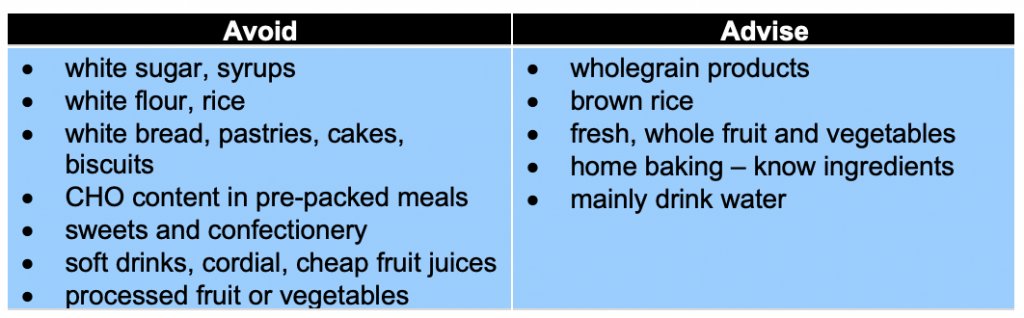
Key learning points – CHO
1. When glucose enters the blood, insulin is released. Glucose may enter:
- the liver to be stored as glycogen
- the muscles to be stored as glycogen
- the tissues where it is burnt as fuel
- the adipose tissue where it is converted to fat
2. CHO is made up of units called saccharides
- monosaccharides are single units of CHO, often called sugars
- disaccharides are two units of CHO, often called sugars
- polysaccharides are many units of CHO joined together often called starch
- Unrefined CHO offers the best nutritional benefits
- good source of dietary fibre
- good source of vitamins and minerals
- reduced insulin response
Key learning points – Fibre
1. Fibre is indigestible plant material and helps:
- regulate blood glucose
- aid in weight management
- delays absorption of blood glucose
- adds bulk
- aids peristalsis
- helps protect the colon
- lowers blood cholesterol
- Insoluble fibre is found in:
- whole wheat
- rye
- whole grain rice
- most other unrefined grains
- Soluble fibre is found in:
- oats
- barley
- broccoli
- apples
- citrus fruits
Key learning points – Glycaemic Index
- The glycaemic index (GI) represents the speed at which CHO foods deliver glucose into the blood.
2. Glycaemic index range:
- high = above 85
- moderate = 60 – 85
- low = below 60
- High glycaemic diets associated with increased risk of diabetes type two and cardiovascular disease.
- Low glycaemic diets promote satiety and help with weight management.
- Main factors effecting the glycemic index:
- presence of fat
- presence of protein
- presence of fibre
- cooking methods and time